Lamp Post Set: A Versatile Vector Resource for Cohesive Visual Projects
When building a library of design assets, the difference between an illustration that saves you hours and one that creates extra work often comes down to how well it integrates with your existing process. The Lamp Post Set is a collection of meticulously crafted lamp post illustrations delivered in formats that prioritize editability and cross-platform compatibility. It is not merely a bundle of graphics; it is a structured resource that fits naturally into workflows for branding, editorial design, web interfaces, mobile apps, and educational content. Understanding how to weave such an asset into your daily operations can improve consistency, reduce repetitive design tasks, and make it simpler to maintain visual standards across multiple outputs.
This article explores practical ways to use the Lamp Post Set before, during, and after a project, how it interacts with other tools and platforms, and how you can keep your design pipeline efficient by leveraging its file organization and editing capabilities.
What the Lamp Post Set Brings to Your Toolkit
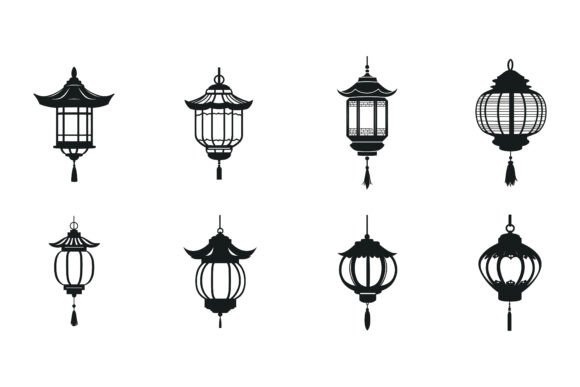
At its core, the collection provides a range of lamp post illustrations — classic, modern, ornate, and minimal — all built as vector artwork. Because the primary file format is Adobe Illustrator (.AI) with an additional EPS version and a ready-to-use JPG preview, the set is designed to work on both Mac and Windows systems without conversion headaches. This compatibility is the starting point for streamlined collaboration; you can share files with colleagues or clients without worrying about software limitations.
Beyond simple format breadth, the real utility lies in the internal structure. Every file is organized with a logical layer stack. Objects are named, groups are sensibly arranged, and elements are separated so you can isolate a lamp post head, a pole section, or a decorative bracket in seconds. For a designer who needs to recolor or repurpose parts of an illustration, this neat organization slashes selection time and eliminates tedious ungrouping and figuring out undocumented layer hierarchies.
Integrating the Lamp Post Set into Your Design Workflow
To see where this asset fits, consider a typical design project that requires environmental icons or thematic illustrations. Early in the planning phase, you define the visual direction and pick a cohesive set of supporting graphics. Instead of drawing lamp posts from scratch or scouring disparate sources that may not match, you can pull the Lamp Post Set into your master file and immediately see which style aligns with your layout. The fact that you have multiple variations within one organized file means you can experiment without switching between dozens of unrelated downloads.
During the layout stage, the editable vectors interact smoothly with other design elements. For example, if you are assembling a city map for a travel brochure, you can drag in a lamp post, scale it without quality loss, and adjust its stroke weight to match your map lines. Because the illustrations come with consistent detailing — each lamp post shares a similar level of intricacy — your map maintains a uniform visual language. If you later decide the color scheme should shift from warm amber tones to cool blues for nighttime mode, you can select all instances of a particular color and change them globally, thanks to the clean vector construction.
Working with Symbols, Apps, and Infographics
The Lamp Post Set is also suitable for UI and app iconography. When designing a navigation app that uses points of interest, a simplified lamp post icon can function as a recognizable symbol for lighting or evening tours. Because the .AI and .EPS files are fully vector, you can export SVG or PNG assets at any resolution required by different device densities. The organized layers let you turn groups into symbols within Illustrator or your preferred prototyping tool, making it easy to update multiple instances across screens with a single edit.
Infographic designers often rely on consistent icon families to convey statistics or categories. Lamp posts might represent streetlamp counts in a smart city report or usage hours in an energy efficiency presentation. Since the set is designed with detail consistency, each lamp post icon can be used alone or in combination without breaking the visual style. You can quickly extract the JPG preview for placeholder content and later replace it with the editable vector for final output, creating a smooth transition from draft to production.
Editing and Customization Without the Usual Friction
One of the most practical advantages of this collection is the ease with which you can modify colors, shapes, and compositions. Sometimes a client will want the lamp posts to match their brand palette exactly, or you might need to add a glowing effect for a website hero image. In the .AI file, you can globally update the fill colors using the Recolor Artwork feature because the vector objects are built cleanly — no stray points or odd clipping masks that break when recolored. Similarly, if you need a longer pole or a wider base, you can stretch specific parts without distorting key details since the art is structured in logical groups.
This editability reduces the time you spend troubleshooting file issues and lets you focus on the creative decision. Instead of redrawing an entire lamp post because the supplied file turned into a mess of ungrouped paths, you can open the Lamp Post Set, locate the component you want to change, and apply adjustments in a few clicks. This predictability matters when deadlines are tight and you are responsible for delivering polished work.
Preparation and File Management Practices
To get the most out of the set, invest a few minutes in preparation before inserting the graphics into a live project. Open the master .AI or .EPS file, explore the layers, and save a working copy. It can be helpful to create a dedicated library document where you add the lamp posts you plan to use, recolor them to your baseline palette, and save them as symbols or assets for your current project. This small upfront step pays off later when you need to make dozens of placements; you simply drag from your library instead of navigating the original file repeatedly.
If you are working on shared drives or cloud platforms, keep the original .AI and .EPS files as master copies, and generate exported versions (like SVG, PDF, or PNG) for colleagues who do not use vector software. The inclusion of a JPG in the download serves this purpose instantly for quick reviews or mockups. The cross-platform nature of the set means a Windows user opening the .AI file in Illustrator or an EPS in CorelDRAW will see the same structured layers, reducing misinterpretation during handoffs.
Ensuring Consistency Across Print and Web Outputs
Consistency is a quality many teams struggle with when multiple designers work on various parts of a campaign. By anchoring to a reliable asset like the Lamp Post Set, you establish a visual reference point. Since the illustrations are already crafted with balanced proportions and matching line weights, they act as a cohesive unit whether you use them at 500% scale for a poster or at 50% for a web icon. You can set up a style guide that references the default colors and dimensions from the set, making it straightforward for any team member to produce on-brand materials.
For print projects, the vectors guarantee crisp output at any size, eliminating the risk of pixelation. For web and apps, exporting at 2x or 3x resolutions results in sharp display on retina screens. The set’s suitability for symbols also means you can maintain a single source of truth: update the master symbol, and all instances refresh automatically, whether they appear on a landing page, a whitepaper cover, or a social media graphic.
Long-Term Value and Adaptability
Unlike trend-specific assets that quickly feel outdated, lamp post illustrations have lasting utility in wayfinding systems, architectural presentations, heritage branding, storytelling, and urban-themed content. Because you can modify the icons so easily — changing the lamp style, adjusting the glass color, or even combining elements from different posts — the set adapts to evolving project needs. You are not locked into a single look; you can repurpose the same base artwork for a steampunk aesthetic by adding texture, or for a minimalist flyer by reducing detail.
From a quality control standpoint, the perfection in details and consistency means you spend less time proofing for alignment errors or mismatched strokes. When you need to produce large quantities of graphics, such as a series of neighborhood guides each requiring a lamp post marker, you can batch-export them with confidence. This reliability supports long-term use, allowing the set to become a staple in your resource library rather than a one-off download.
Practical Tips for Smooth Implementation
- Before you start your layout, dedicate five minutes to open the Lamp Post Set file and take note of how layers are named. This speeds up asset selection later.
- Leverage global color swatches in Illustrator to recolor the lamp posts in one pass. Save these swatches for reuse across other branded materials.
- When using the set on a Windows machine, test the .EPS file if you encounter any version incompatibilities with older software. The organized structure typically carries over, but a quick verification prevents last-minute surprises.
- If you frequently include lamp posts in your templates, convert them to Adobe Creative Cloud Libraries or Sketch symbols so any team member can drag and drop the approved version.
- For web projects, export the icons as SVG and clean up the code manually if needed. Because the base art is precise, the generated SVG is usually lightweight and clean.
- Always keep a backup of the original .AI file untouched, so you can revert whenever a project demands a fresh start.
How the Lamp Post Set Complements Other Resources
No illustration lives in isolation. The Lamp Post Set pairs well with urban design elements like benches, trees, or street signs. Because the illustrations are vector and evenly detailed, you can mix them with other asset packs without jarring style clashes. If you have a custom-drawn cityscape, the lamp posts can serve as foreground details that anchor the composition. In data visualization, you can place a lamp post next to a chart column to create a thematic connection to street lighting data.
When your project requires multiple output formats — for example, a printed report that will also become an interactive PDF and a set of Instagram slides — the organized file structure enables efficient export. You can turn layers on and off for different derivatives: one version with full color for print, another with simplified line art for black-and-white documents, and a third with glowing night effects for digital use. This flexibility makes it easier to adhere to brand guidelines without rebuilding assets from scratch.
Moving from Resource to Routine
Ultimately, the value of an illustration set like this becomes clear when it fades into the background of your workflow. You stop thinking about where to find a streetlamp graphic and start thinking about how to use it more creatively. Because the Lamp Post Set is built with usability at its core — neat layer structure, cross-platform compatibility, editable vectors, and consistent detailing — you can integrate it into templates, wireframes, icon systems, and marketing collateral with minimal friction. The time you save on searching, fixing, and forcing mismatched assets can be redirected toward refining your message and strengthening your visual identity.
Whether you are a blogger adding atmospheric illustrations to a travel article, a marketer building a seasonal campaign, or a product designer crafting an app interface, the ability to quickly edit and repurpose professional vector art changes how you approach visual tasks. The Lamp Post Set offers that advantage without the typical trade-offs. You receive a resource that is ready to use, easy to adapt, and organized well enough to support both small quick edits and large repetitive deployments.
When you plan your next project, consider how seamlessly editable assets can fit into your existing toolchain. Open the files, experiment with colors, explore the layers, and let the organized structure guide your customization. In a working environment that demands both speed and polish, a thoughtfully assembled collection can be the difference between a stressful late night of fixes and a confident on-time delivery.