Mastering Visual Consistency Across Every Screen: A Deep Dive into Multi Device Mockup Excellence
The Growing Importance of Cross-Device Presentation
Visual communication has evolved dramatically over the past decade. Designers, marketers, and content creators now face a landscape where audiences consume information across desktops, laptops, tablets, and smartphones simultaneously. A Multi Device Mockup serves as the bridge between isolated design work and real-world presentation, allowing creators to showcase how their visuals adapt and thrive across different screen environments. This approach transforms a flat digital asset into a contextualized experience that stakeholders can immediately understand and appreciate.
The psychological impact of seeing a design rendered on multiple devices cannot be overstated. When clients or team members view a logo, an app interface, or an infographic spread across a smartphone, tablet, and desktop monitor, they instinctively grasp the versatility and practical application of the work. This contextual presentation eliminates abstract guesswork and grounds the design in tangible, everyday scenarios that mirror actual user behavior.
What Makes Certain Illustration Collections Stand Out
Not all design resources deliver equal value. The distinction often lies in the underlying architecture of the files themselves. Premium illustration sets that include AI EPS and JPG formats offer a layered approach to usability. Vector-based AI and EPS files preserve infinite scalability without quality degradation, making them indispensable for print projects ranging from business cards to billboards. Meanwhile, JPG versions provide ready-to-use raster formats for quick web deployment and social media sharing.
This dual-format ecosystem ensures that designers never find themselves constrained by file limitations. A marketing team preparing a campaign can pull the vector files for high-resolution print collateral while simultaneously using the JPG versions for email headers and blog post featured images. The flexibility extends beyond mere convenience into genuine workflow optimization.
Organized Structures That Save Creative Energy
Behind every smooth design experience lies meticulous file organization. When illustration sets arrive with neatly organized file and layer structures, they eliminate the frustrating scavenger hunt that plagues poorly prepared design assets. Layers named logically, grouped by function, and arranged hierarchically allow designers to locate specific elements within seconds rather than minutes. This structural clarity proves especially valuable during tight deadlines when every moment counts.
Consider a scenario where a designer needs to extract only the tablet device frame from a multi-device scene. In a well-structured file, that tablet layer sits clearly labeled within its device group, separated from backgrounds, shadows, and other screen elements. The designer grabs what they need and moves forward without disrupting adjacent components or accidentally modifying unintended areas.
Platform Versatility as a Professional Standard
Creative professionals operate across diverse operating systems, and design assets must accommodate this reality. Resources designed for Mac and Windows users demonstrate an understanding of the modern collaborative workspace where teams rarely share identical hardware configurations. An illustrator who tests files across both platforms ensures that font rendering, color profiles, and layer effects translate faithfully regardless of the operating system.
This cross-platform attention prevents the awkward scenario where a design looks pristine on a designer's Mac but displays with shifted colors or broken effects on a client's Windows machine. The consistency builds trust and reduces the back-and-forth troubleshooting that erodes project timelines and professional credibility.
Details That Communicate Craftsmanship
Perfection in details and consistency separates professional-grade illustration sets from amateur alternatives. When every shadow falls at the same angle across all devices in a mockup, when highlight reflections match in intensity and placement, and when bezel thicknesses remain proportionally accurate, the result feels cohesive and intentional. These micro-details operate below conscious awareness for most viewers but collectively shape the impression of quality.
Inconsistent details, by contrast, create subliminal unease. A device edge that appears slightly thicker on one side, a gradient that shifts direction inexplicably, or a reflection that doesn't match the implied light source all chip away at the viewer's trust in the visual message. The human eye detects these discrepancies even when the conscious mind cannot articulate them.
Applications Spanning Digital and Physical Media
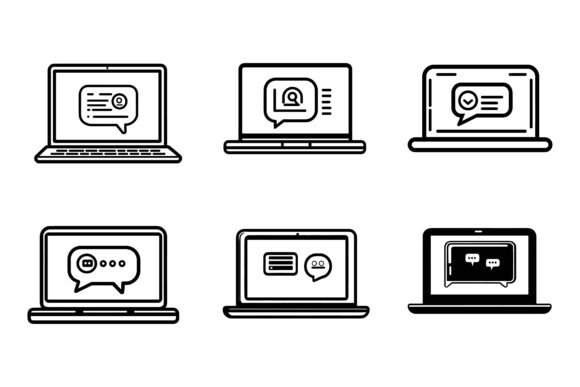
The versatility of a thoughtfully constructed Multi Device Mockup collection extends across virtually every medium where visual communication occurs. For print applications, the high-resolution vector foundations ensure that portfolio pieces, pitch decks, and marketing brochures reproduce with crisp clarity at any dimension. For web deployments, the optimized raster exports load quickly while maintaining visual fidelity across retina and standard displays.
Beyond these traditional uses, well-crafted illustration assets find homes in symbols and iconography systems, where simplified device representations communicate platform availability or technical requirements. App developers incorporate these visuals into onboarding flows and feature announcements. Infographic designers use device frames to contextualize statistics about mobile usage, screen time, or digital adoption trends. The same asset that anchors a corporate presentation might also illustrate a blog post, enhance an email newsletter, or populate a social media carousel.
Editability as a Creative Multiplier
The true power of premium illustration resources emerges through customization. When users can edit, change colors, and modify elements easily, a single purchased set transforms into an endlessly adaptable toolkit. A designer working with brand guidelines can recolor device frames to match corporate palettes, adjust screen content to reflect actual product interfaces, and swap background elements to suit seasonal campaigns—all without rebuilding assets from scratch.
This editability proves especially valuable for teams maintaining visual consistency across multiple projects. Rather than commissioning new device illustrations for each initiative, they adapt the same foundational set, ensuring that the core visual language remains coherent while the specifics evolve to meet project needs. The time savings compound with every reuse, making the initial investment increasingly efficient.
Understanding the Role of AI-Enhanced Design Workflows
Artificial intelligence has begun reshaping how designers approach illustration work, and AI EPS illustration sets represent an emerging category worth examining. These collections leverage machine learning assistance during creation while delivering finished products in familiar, editable formats. The AI component often aids in generating consistent lighting scenarios, maintaining proportional accuracy across device models, and ensuring that repetitive elements like screen bezels or button placements adhere to realistic standards.
For the end user, the AI origins matter less than the practical outcomes: illustrations that feel remarkably consistent, shadows that behave like real light, and device proportions that match their physical counterparts. The technology serves as a quality assurance mechanism operating behind the scenes, catching inconsistencies before they reach the designer's workspace.
Layer Intelligence and Non-Destructive Editing
Modern illustration design philosophies emphasize neatly organized layer structures that support non-destructive editing workflows. This approach means that every modification a designer applies—whether recoloring a device body, adjusting shadow opacity, or replacing screen content—occurs without permanently altering the base illustration. Adjustment layers, clipping masks, and smart objects preserve the original artwork while allowing infinite creative exploration.
For collaborative environments, non-destructive editing proves essential. Multiple team members can work with the same source files, each applying their modifications for different outputs, while the foundational illustration remains intact and consistent. This workflow prevents the gradual degradation of asset quality that occurs when files pass through numerous hands with destructive editing techniques.
Practical Considerations for Asset Selection
When evaluating illustration collections for professional use, several factors warrant careful consideration beyond the surface aesthetics. File format diversity ranks high among these priorities. A collection offering AI EPS and JPG provides immediate utility across the broadest range of design scenarios. The AI format supports complex vector work with full layer preservation, EPS ensures compatibility with legacy workflows and cross-application sharing, and JPG delivers universal accessibility for quick placements and previews.
Organizational methodology matters equally. Files structured with clear naming conventions, logical grouping hierarchies, and consistent layer ordering reduce the cognitive load required to navigate and modify assets. This organizational quality becomes particularly apparent when working with complex scenes containing numerous device representations, each with their own screen content areas, shadow layers, and highlight effects.
Color Systems and Adaptation Potential
Professional design environments demand precise color management, and illustration assets must support this requirement. The ability to change colors and modify elements easily depends partially on how the original illustrator constructed color applications. Global color swatches, well-separated fill layers, and avoidance of flattened raster effects all contribute to smooth color customization experiences.
Designers adapting assets for different brand contexts appreciate when device bodies, screen glows, shadow tones, and background elements each occupy independently adjustable color channels. This separation enables rapid rebranding without the tedious process of isolating and masking individual components. The result is a versatile asset that serves multiple clients or internal brand divisions without requiring redundant purchases or recreations.
Integration with Contemporary Design Software
Modern illustration assets must function seamlessly within the software ecosystems where designers actually work. Adobe Illustrator remains the primary environment for vector editing, and files optimized for this application should open with all effects intact, fonts outlined or embedded, and layer structures fully preserved. Beyond Illustrator, compatibility with Affinity Designer, CorelDRAW, Sketch, and Figma extends the utility of well-prepared EPS and AI files across diverse tool preferences.
The rise of collaborative design platforms has introduced additional considerations. Assets that import cleanly into Figma and maintain their organizational structure enable teams to incorporate professional illustrations directly into their collaborative workflows. This interoperability prevents the workflow fragmentation that occurs when certain assets only function properly within a single application.
Scalability Across Output Dimensions
Vector-based illustration sets inherently support resolution independence, but practical scalability involves more than mathematical precision. Design elements that look balanced at business card dimensions must also hold together when expanded to trade show booth graphics. Perfection in details and consistency across scale extremes requires thoughtful composition where fine elements remain visible but not overwhelming at small sizes, and where large-scale reproductions reveal additional detail rather than exposing simplified shortcuts.
The best illustration collections account for these scaling requirements through deliberate detail density decisions. Device mockups intended for multi-purpose use include enough surface texture, edge refinement, and shadow nuance to reward close inspection while maintaining clean silhouettes that read clearly at thumbnail dimensions.
The Enduring Value of Professional Illustration Assets
In an era of template saturation and generic stock imagery, distinctive illustration sets offer differentiation that audiences increasingly recognize and appreciate. A Multi Device Mockup built with genuine attention to detail, organized thoughtfully, and designed for flexible application serves as more than a decorative element—it becomes a functional component of a professional visual communication system. The investment in quality assets pays returns through time saved, consistency maintained, and impressions strengthened across every project where they appear.
Designers who prioritize assets that combine format versatility, organizational clarity, cross-platform reliability, and extensive editability position themselves to respond to diverse project requirements without repeatedly starting from zero. In a creative landscape where efficiency and quality must coexist, the tools and resources that support both priorities simultaneously deserve careful selection and enthusiastic adoption.